
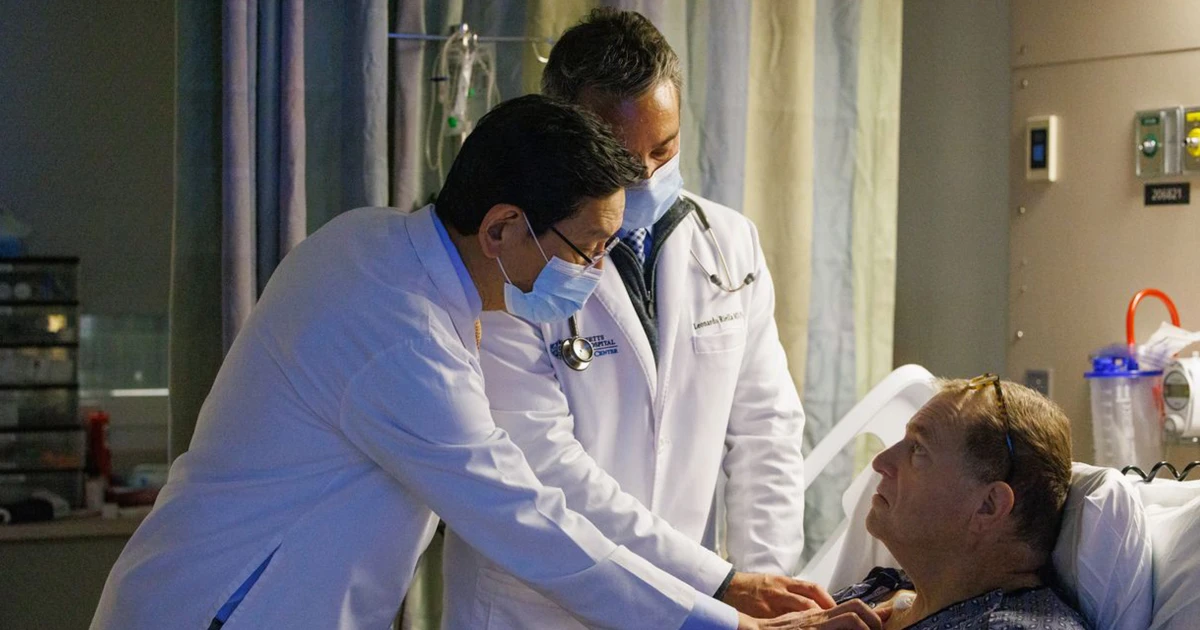
Tim Andrews once felt like a dead man walking. A retired grocery store manager from New Hampshire suffering from end stage kidney failure, the 68 year old believed his time was running out until he agreed to take a monumental risk for the sake of science. In January 2025, Andrews underwent a groundbreaking procedure at Mass General Brigham in Boston where surgeons transplanted a genetically modified pig kidney into his body. Driven by a desire to help humanity even if the attempt failed, Andrews entered the surgery knowing he might not survive, but hoping the resulting data would save others.
The gamble paid off in historic fashion. For 271 days, the porcine kidney functioned successfully inside Mr. Andrews, marking the longest period any human has survived without dialysis following such a transplant. According to findings recently published in The Lancet medical journal, the experiment proved that animal organs can effectively serve as a bridge for patients who are too sick to stay on dialysis while waiting for a compatible human donor. After nine months of stability provided by the pig kidney, Andrews eventually received a permanent human transplant and says he now feels he may have decades of life ahead of him.
This milestone offers a glimmer of hope for the more than 100,000 people currently languishing on national transplant waiting lists. Lead author Dr. Leonardo Riella describes the current organ shortage as a crisis and envisions xenotransplantation evolving from a temporary bridging measure into a primary destination therapy. While previous attempts had shorter durations or ended in tragedy, Andrews’ success suggests that the timeline for making these procedures viable could be shrinking rapidly, perhaps becoming common within five years rather than ten.
Now rediscovering simple joys like fishing and riding his bike, Andrews speaks emotionally about his second chance at life and the anonymous young man whose human donation ultimately saved him. Though he spent nearly a year relying on an animal organ to keep him alive, he remains deeply mindful of the sacrifice made by his final donor. Having moved from certain death to a vibrant recovery, Andrews views his journey not just as a personal victory but as proof that medicine is closing the gap between desperation and survival.