
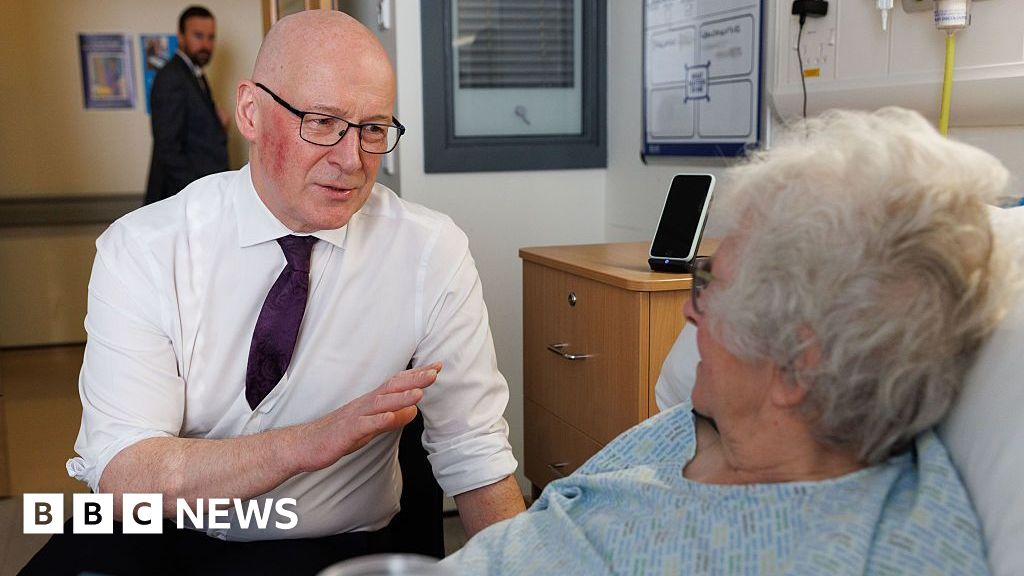
First Minister John Swinney has insisted that patients in Scotland will not be forced to travel further for medical treatment under a sweeping set of reforms aimed at slashing the number of health boards from fourteen down to just two. Speaking to BBC Scotland’s The Sunday Show, Swinney outlined a vision where the country is divided into east and west regions, arguing that removing existing administrative boundaries would actually help maximize the delivery of local services. He emphasized that his goal is equity of access, ensuring that healthcare is provided as close to home as possible wherever a person lives.
When pressed on the plight of residents in remote areas, such as women in the far north who currently drive one hundred miles to Inverness to give birth, Swinney maintained that distance issues are often tied to patient safety rather than bureaucratic structures. While he acknowledged the difficulties in places like Caithness, he argued that restructuring would streamline operations without compromising care. However, critics point to current instability within the system, noting recent suspensions of pediatric surgeries at Dr Gray’s Hospital in Elgin and ongoing calls for urgent reviews of maternity services across the nation.
The scale of the reorganization has sparked fierce backlash from political opponents and labor unions, with some describing the move as a slash and burn approach to public health. Much of the controversy centers on employment, as Swinney admitted that public sector staffing levels will likely fall but refused to provide a specific number regarding how many NHS jobs would be lost. This lack of transparency has led Scottish Labour and the Conservatives to accuse the First Minister of being evasive while attempting to navigate a looming five billion pound shortfall in public finances.
As the government moves forward with this most significant structural change since devolution, uncertainty remains over how specialized care will function in practice and what fate awaits those living in the islands. Preliminary suggestions indicate that island healthcare might be absorbed by local authorities, though no final decision has been reached. For now, while Swinney frames the shift as an essential modernization effort centered on the patient, his detractors warn that it could plunge essential services into chaos without a clearer roadmap.