
Health officials in Florida are sounding the alarm as a spike in locally acquired dengue fever cases prompts an aggressive response from mosquito control agencies. Recent data shows that infections originating within the state have risen to 41 overall, with a significant concentration of 33 cases centered in the Tampa Bay area alone. Unlike travel associated cases where individuals contract the virus abroad, these local transmissions indicate that the virus is actively circulating within Florida communities, leading authorities to predict further increases in the coming weeks.
To combat the spread, teams from the Florida Mosquito Control Association are ramping up surveillance and intensifying both aerial and ground spraying operations. Particular focus has been placed on Hillsborough and Pinellas counties, which remain under active health alerts. Experts warn that because people move frequently between cities, an infected individual can easily introduce the virus into a new neighborhood, where a local mosquito can then bite them and pass the infection to healthy residents. This mobility makes containments efforts challenging since the virus effectively ignores county boundaries.
Dengue typically presents as a viral illness characterized by high fever, nausea, rashes, and severe body aches. While many patients experience mild symptoms or none at all and recover within two weeks, there is a risk of progression into severe dengue. This rarer form of the disease can be life threatening and manifests through warning signs such as respiratory distress, persistent vomiting, and internal bleeding. Medical professionals urge anyone experiencing these critical symptoms immediately after a fever breaks to seek emergency care without delay.
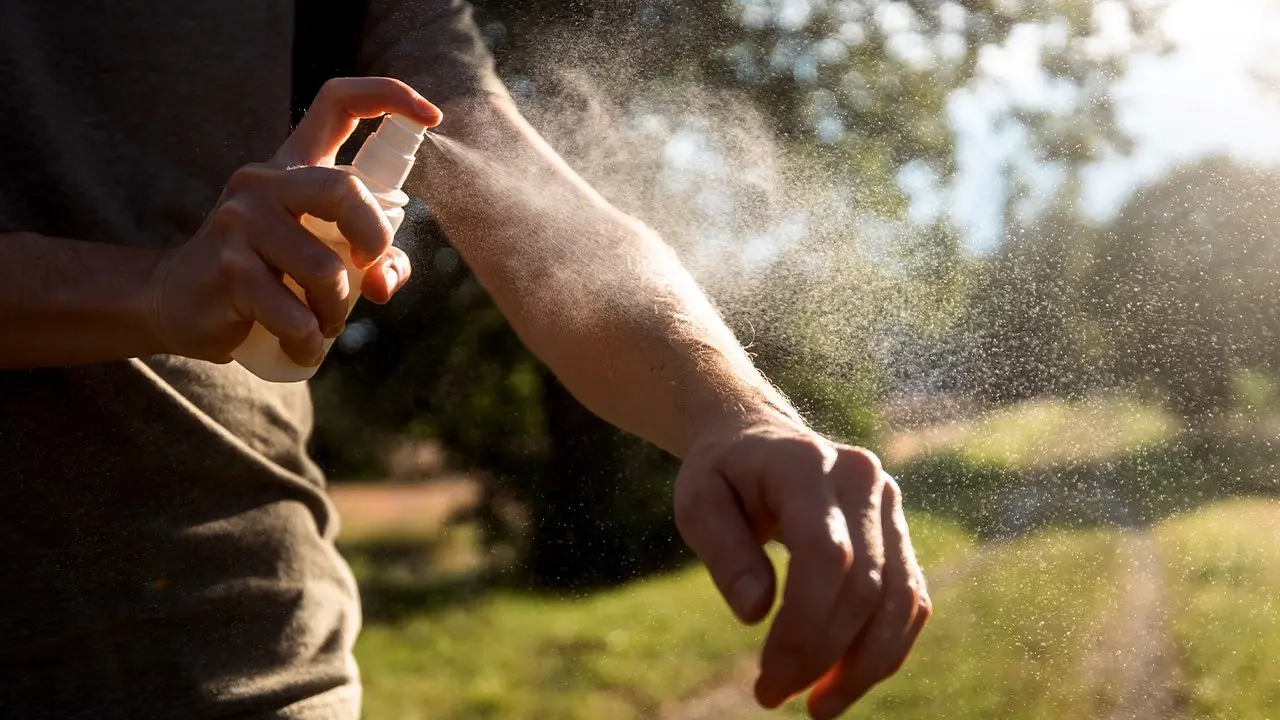
Residents are being encouraged to take proactive steps at home to disrupt mosquito breeding cycles. Because the specific mosquitoes that carry dengue prefer small containers of stagnant water, officials suggest emptying out flower pots, old tires, buckets, and discarded toys around porches and yards. Beyond cleaning up standing water, health departments recommend wearing long sleeves and using repellents containing ingredients like DEET or picaridin to minimize exposure during outdoor activities.